From Class to Play Area: Just How Pre-School Classes Take Advantage Of Outside Activities
@kylerkygt518
October 20, 2026 · 5 min read
Introduction
In an age where electronic displays usually dominate youngsters's attention, the relevance of exterior play is sometimes ignored. Nonetheless, for our youngest students in daycare centers and pre-school classes, involving with the outdoors can be unbelievably beneficial. In this post, we'll check out just how outside activities improve the academic experience for preschoolers, promoting not simply physical health and wellness yet likewise social abilities, creativity, and cognitive advancement.
Outdoor play provides a rejuvenating break from organized learning settings, allowing kids to find their natural environments while advertising alternative growth. So, how precisely do pre-school courses benefit from outside activities? Allow's dive in!
From Classroom to Playground: How Pre-School Classes Benefit from Exterior Activities
Transitioning from the classroom to the play area infant daycare San Mateo County isn't simply a shift in surroundings; it's a jump into a world of opportunities. Young children are naturally interested, and being outdoors provides them with sufficient opportunities to discover and learn through play. This modification in environment stimulates their senses and encourages exploration.
The Value of Outdoor Bet Young Learners
Outdoor play works as a basic component of very early childhood education. Research shows that children who engage in normal outdoor activities display boosted social abilities and improved physical wellness.
- Physical Development
- Children create motor skills by climbing, running, jumping, and taking part in games.
- Outdoor atmospheres commonly provide uneven surface that challenges equilibrium and coordination.
- Social Interaction
- Playing outdoors permits youngsters to engage with peers freely.
- Group tasks foster teamwork and conflict resolution.
- Cognitive Growth
- Outdoor settings promote interest; children ask inquiries and explore their surroundings.
- Nature-based discovering enhances analytic skills.
Creating a Safe Outdoor Environment
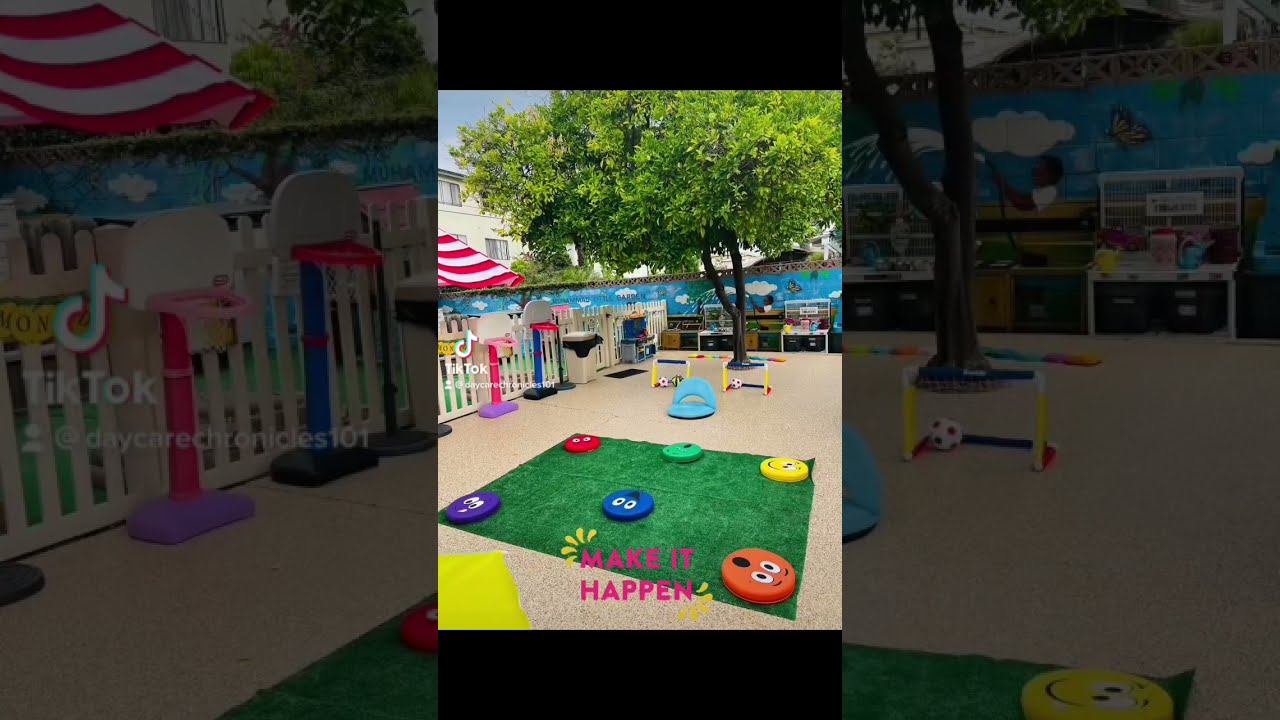
Safety needs to constantly be a priority when intending outdoor tasks for pre-school classes at daycare facilities. Below are some suggestions:
- Supervision: Always ensure that there are enough grownups supervising children throughout outside playtime.
- Equipment: Usage age-appropriate toys and devices developed for young learners' safety.
- Environment: On a regular basis inspect the outside location for risks like sharp things or uneven ground.
Examples of Fun Outdoor Activities for Preschoolers
There's no lack of tasks to involve preschoolers outdoors! Here are some ideas:
- Nature Scavenger Hunts
- Create checklists of products for children to locate (e.g., leaves, rocks).
- Water Play Stations
- Set up locations where kids can wallow safely.
- Obstacle Courses
- Use cones or ropes to create fun difficulties that advertise physical activity.
- Gardening Projects
- Teach youngsters regarding plants while letting them dig in the dirt!
- Art in Nature
- Use all-natural products like fallen leaves or rocks for imaginative projects.
Benefits of Unstructured Playtime
Unstructured outdoor play is vital for healthy growth:
- Children find out to produce their very own games.
- They create management abilities as they navigate team dynamics.
- Improvisation cultivates creative thinking, enabling children to think outside the box.
How Outside Play Enhances Emotional Well-being
Outdoor experiences substantially contribute to psychological health:
- Stress Reduction: Being outdoors lowers anxiousness levels.
- Confidence Building: Mastering brand-new physical obstacles boosts self-worth.
- Emotional Regulation: Nature helps youngsters discover just how to handle emotions better.
The Duty of Educators in Supporting Outdoor Activities
Educators at day care facilities have an essential duty in promoting exterior experiences:
- Provide structured assistance while permitting liberty for exploration.
- Foster an atmosphere where asking inquiries is encouraged.
- Implement themes or projects connected to nature.
Integrating Curriculum with Outdoor Learning
Imagine incorporating storytelling with nature walks! Here's just how you can integrate various subjects right into outside knowing:
- Literacy: Read tales pertaining to nature outside under a tree.
- Math: Count flowers or contrast dimensions of fallen leaves during nature walks.
- Science: Observe insects or plant development firsthand.
The Effect on Physical Health and Developing Milestones
Engaging young children in outside play web links straight with their physical wellness:
- Reduces childhood years excessive weight risk with energetic engagement.
- Encourages healthy and balanced practices that last right into adulthood.
Milestones Sustained by Exterior Activities:
|Turning point|Related Task|| ---------------------|---------------------------------------|| Gross Motor Skills|Running & & climbing|| Fine Motor Abilities|Picking up tiny things|| Social Skills|Group games|| Cognitive Skills|Problem-solving throughout scavenger pursues|
Environmental Understanding Via Outdoor Learning
Teaching young children about their environment early on instills long-lasting worths:
- Understanding ecological communities via hands-on experiences
- Encouraging lasting practices like recycling
FAQs Regarding Outdoor Activities in Pre-School Classes
Q1: How much outside play needs to preschoolers have each day?
A1: Specialists advise at least 60 mins of unstructured outside play daily for preschool-aged children.Q2: What if weather aren't favorable?
Q3: Can exterior play aid with behavioral issues?
A3: Yes! Normal exercise can significantly lower behavior troubles by assisting youngsters launch bottled-up energy.Q4: Are structured games necessary during exterior time?
A4: While organized video games can be advantageous, unstructured play is just as important as it promotes creativity and autonomy.Q5: Just how do caretakers ensure security throughout outdoor activities?
A5: Caregivers ought to perform routine safety checks on devices and manage children closely throughout all activities.Q6: What kinds of materials ought to we prevent using outdoors?
A6: Prevent any type of materials that can pose choking dangers or include poisonous substances; stick with risk-free all-natural products instead!Conclusion
In conclusion, transitioning from classroom wall surfaces to play grounds offers important advantages for preschoolers at daycare facilities across the globe! The impacts on their physical health and wellness, social skills, psychological well-being, and cognitive advancement are extensive-- setting them up not equally as students however as well-shaped individuals all set to take on life's obstacles head-on! So let's focus on those moments invested outdoors because nevertheless-- playtime is a crucial part of discovering!
By understanding exactly how "From Class to Play area" plays out in day-to-day routines at pre-school courses with involving outside activities, we pave the way for much healthier futures where education and learning meets experience! Let's provide our little ones the chance they deserve-- to grow and shine brightly below the sun!
This short article encapsulates both research-backed understandings and practical suggestions targeted at parents, teachers, and caregivers who wish to improve youngsters's lives through invigorating experiences outside conventional class while offering trustworthy details about incorporating these components into daily discovering environments effectively!